Reduce Lower Back Tension in Less Than 5 Minutes
The craziest thing happened this past week.
The Pittsburgh Pirates won five out of the last six games. But they are still 18 games under .500 and about to sell off all of their good players by Thursday...
Over the weekend, someone reached out about exercises that help with back pain, so I thought I'd revisit my go-to stretch for both myself and any client who deals with lower back discomfort,* as well as some exercises to improve core strength in general.
I'm going to nerd out for a second first... The image below is a rough depiction of what is called Lordosis, or sometimes Swayback; essentially there is a curve in your lower back. Next time you're in line somewhere, look around you - you'll be surprised to see just how many people have at least some curve to their lower back.
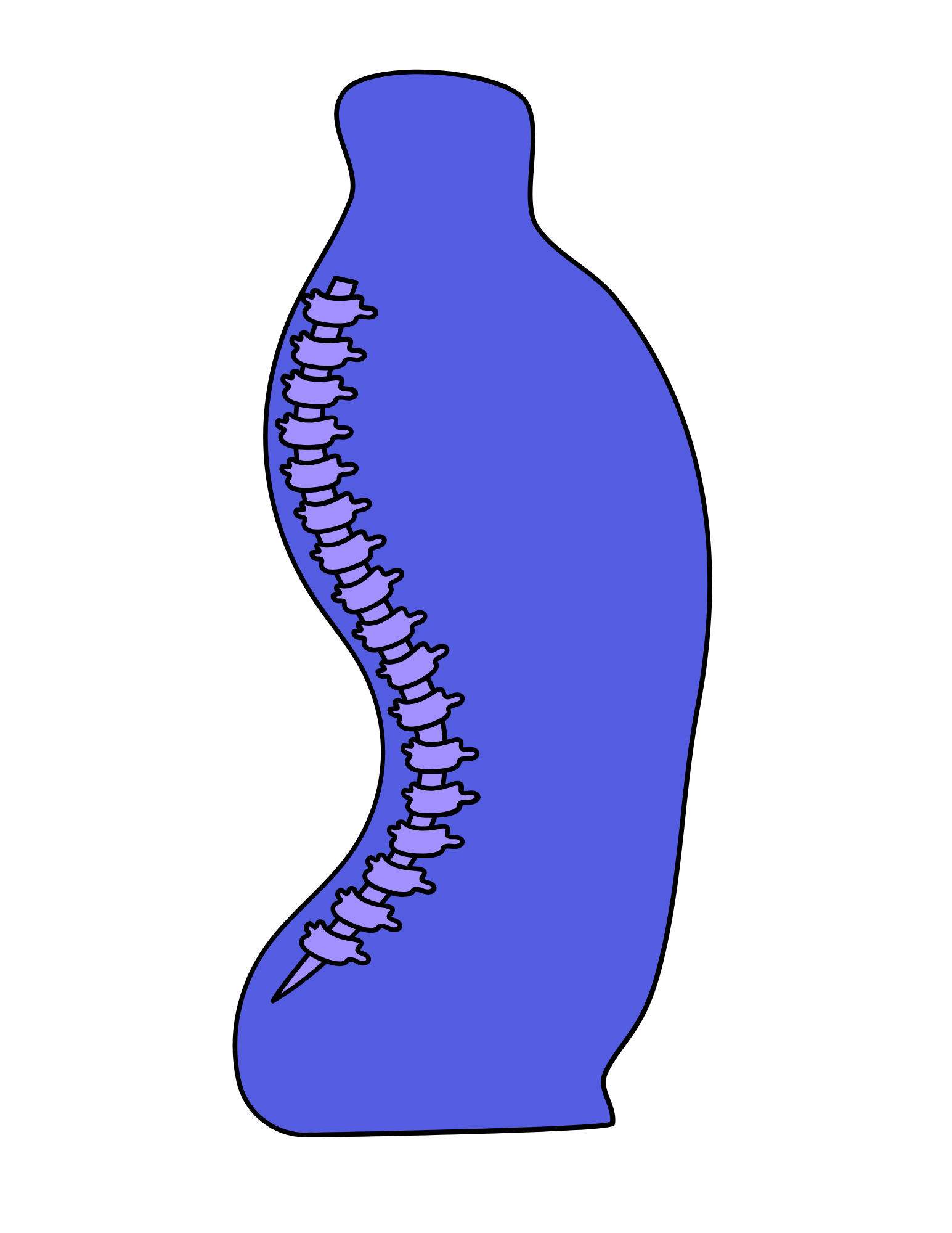
This is sometimes also accompanied by Kyphosis, which is a rounding of the upper back.
And sesquipedalophobia is a fear of long words; in case that comes up in trivia or something.
Depending on the severity this curvature can put pressure on the nerves, muscles, and ligaments in the back, leading to pain and other symptoms.
I've had chronic lower back pain for five years, and while there's more going on than just Lordosis, I've discovered a few stretches and exercises that can be very helpful in managing my back pain, and help strengthen my core. As always, if any exercise causes you direct pain, stop what you're doing immediately and check with a health professional.
90:90 Hip Breathing
This exercise looks awkward as heck, but if you have a tight lower back, I promise you it will feel like a good stretch. As a quick note, if bending over at the waist feels like a good stretch, then this is a good exercise to try. It has a lot of moving parts, so have some patience. Perform for 3-5 breath cycles. You can even start by putting your feet on a chair or bench and then pressing your lower back into the floor.
Band Assisted Leg Lowers (Click for video)
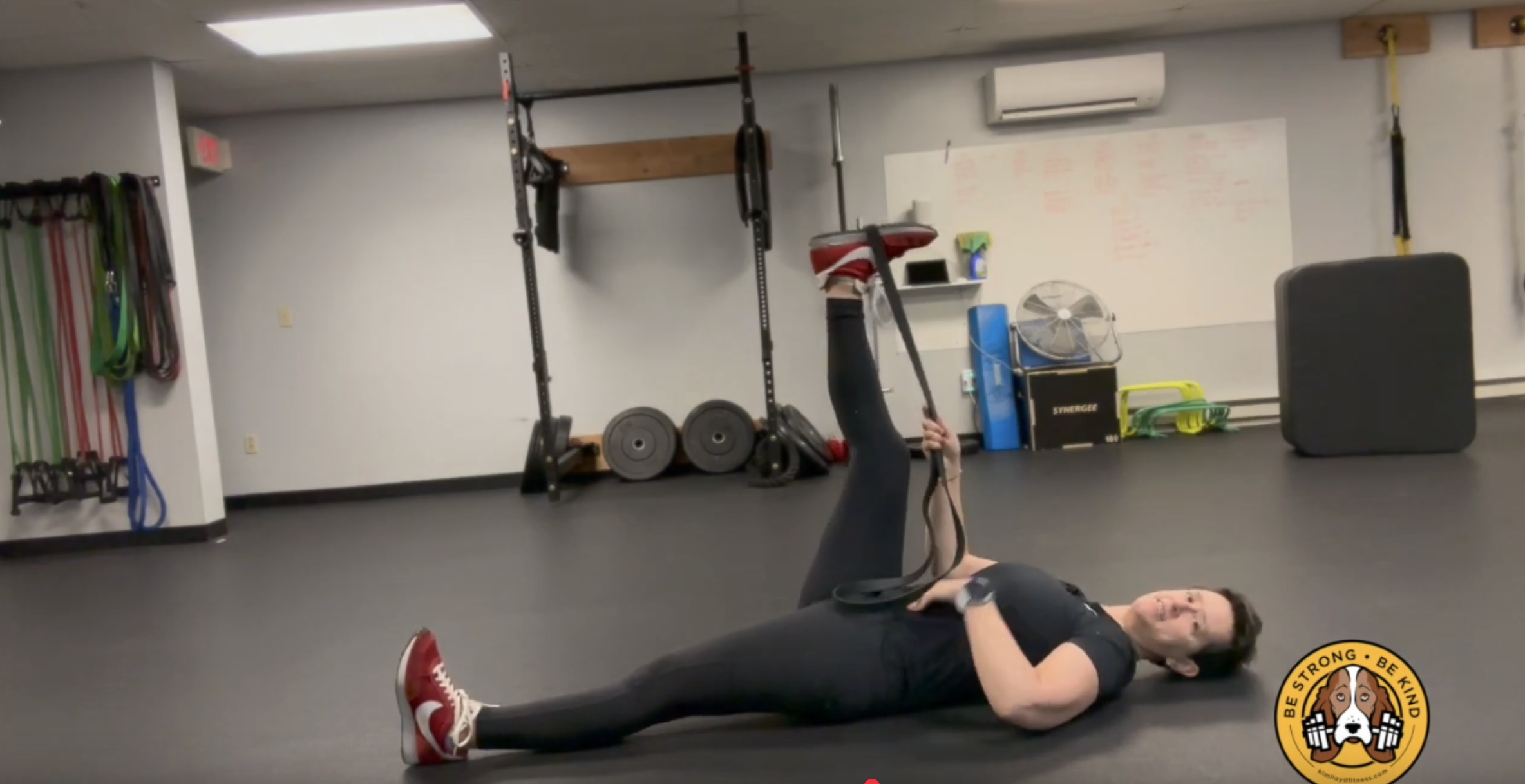
Part of strengthening your core is learning how to keep your abs engaged while extending your legs away from your body. If you are familiar with bird dogs and dead bugs, these exercises are built around that concept. A great exercise to start with is leg lowers. If you don't have a band, you could use a towel, or even a doorway. Especially if you're at work and want to get your co-workers' attention..
Pallof Press (Click for video)
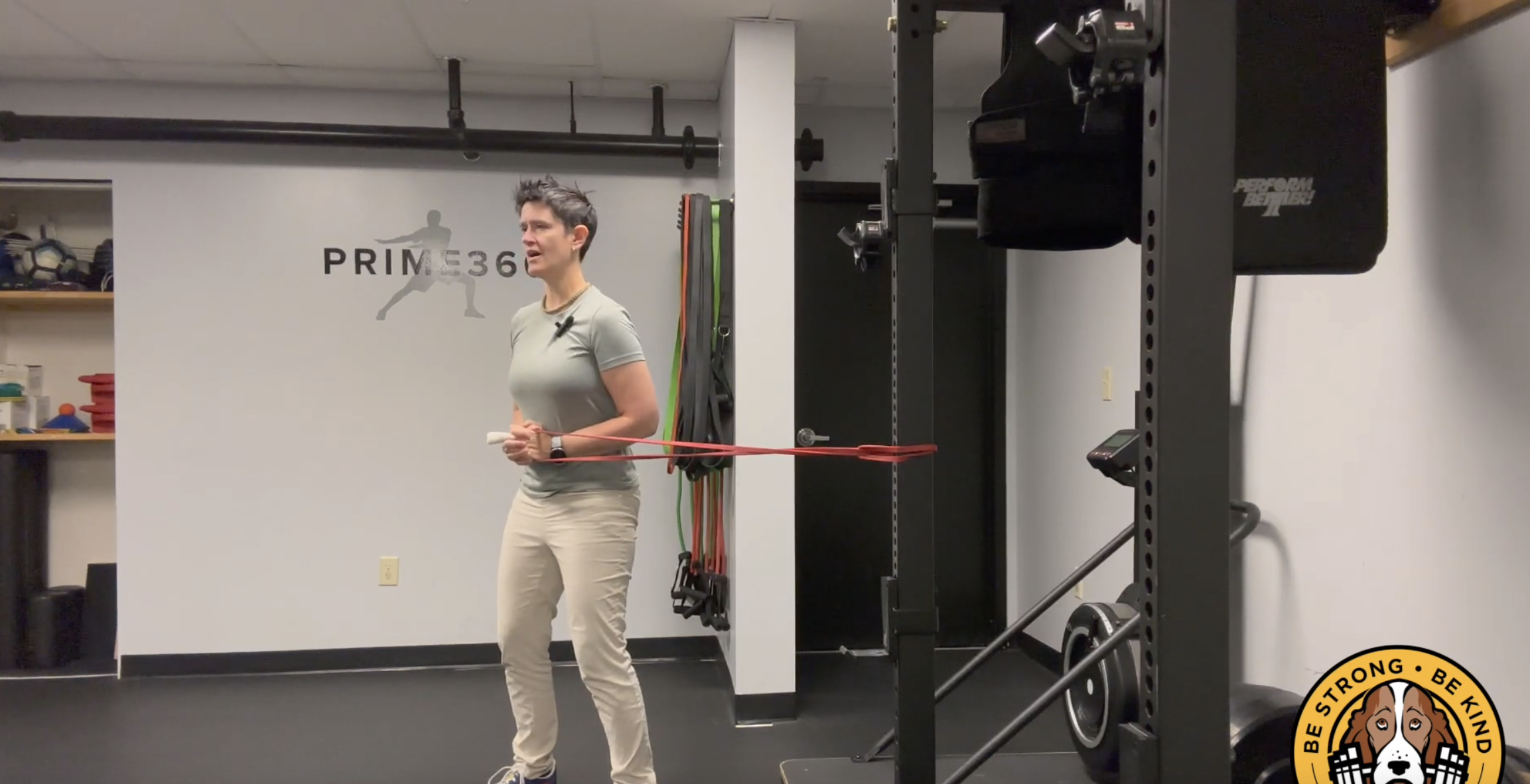
We train the core very differently than we used to. After many years of focusing on crunches and sit ups (which have their place), we now teach clients to create stability in the core. The Pallof Press is part of almost every program I write for clients, and if you have a band, you can do this anywhere.
Be mindful of how you sit and stand.
If you've worked with me or watched many of my videos, you might have heard me say "tuck your tailbone" or "suck your belly button to your spine" as a cue for certain exercises.
Think of your pelvic bone as a bucket. Lordosis means the bucket is tipping forward. You want to be mindful of the cues above if you find that your lower back is feeling tight, either from sitting or standing for a long period of time.
That's not to say that it's wrong for your pelvic bone to tip forward - there's no black and white in this world. But if you're someone who gets a cranky lower back sometimes, give any or all of the above exercises a whirl.
*Listen, I hate going to the doctors probably more than the next person. But if you're someone who is dealing with any kind of major pain (does it interrupt your sleep?), go and find out what you're dealing with. You can make a decision about whether or not you want to do anything with that information, but do yourself a favor and get the information.